Hippie Retro Font: Groovy Display Type for Crafts
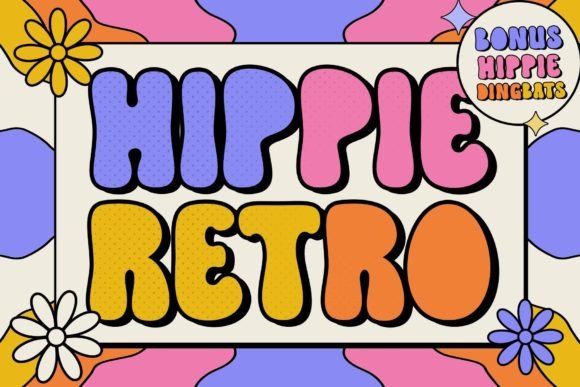
As a small business owner and creator, finding the right typeface is often about balancing nostalgia with modern production needs. We need fonts that evoke a specific feeling but still cut cleanly on a Cricut or Silhouette, print crisply on packaging, and remain legible at various sizes. Hippie Retro is a groovy display font that hits this sweet spot perfectly. Designed with all caps characters and symbols, this typeface brings a warm, vintage charm to handmade products without sacrificing commercial viability. For those of us creating t-shirts, stickers, book covers, children’s books, social media posts, and invitations, having a reliable retro display font in our asset library is essential for maintaining brand consistency and appealing to customers who love nostalgic aesthetics.
Visual Personality and Craft Appeal
The visual identity of Hippie Retro is rooted in the playful, organic typography of the late 1960s and early 1970s, yet it feels fresh enough for contemporary markets. Unlike distressed grunge fonts that can be difficult to weed or print clearly, this font offers clean lines with soft curves. The all-caps structure provides a uniform height that makes alignment incredibly easy when designing product labels or signage. This uniformity is particularly valuable for crafters working with vinyl or heat transfer vinyl (HTV), as consistent letter heights reduce material waste and simplify the weeding process.
The personality of this font strikes a balance between bold and friendly. It is expressive enough to serve as the focal point of a design but structured enough to maintain readability. For sellers on platforms like Etsy or at local craft fairs, this matters because customers make split-second decisions based on visual clarity. A font that looks too messy can make a product seem unprofessional, while one that is too rigid can lack the handmade warmth buyers seek. Hippie Retro bridges this gap, offering a premium font aesthetic that elevates the perceived value of stickers, apparel, and paper goods.
Practical Applications for Physical Products
When integrating Hippie Retro into physical merchandise, consider how the all-caps format influences layout. Because every character shares the same vertical space, this font excels in stacked text arrangements. This makes it ideal for:
- Candle and Soap Labels: Create centered, block-style product names that stand out on shelves. The groovy vibe pairs beautifully with natural waxes and botanical ingredients.
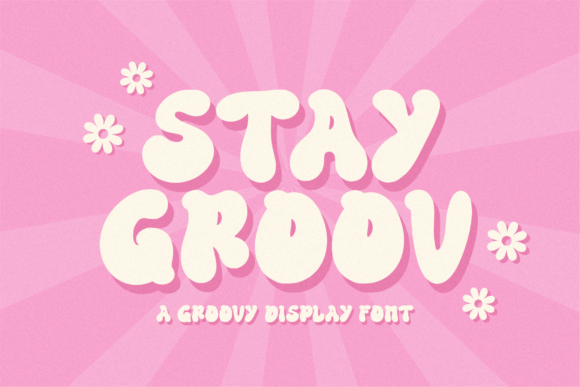
- Tote Bags and Apparel: Use short, punchy phrases like "Stay Groovy" or "Wildflower Market." The bold weight ensures the text is visible from a distance, which is crucial for wearable art and market signage.
- Children’s Books and Educational Printables: The rounded, approachable forms are non-intimidating for young readers. All-caps display fonts are often used for titles and chapter headers in kids' literature because they mimic early reading materials.
- Wedding and Event Stationery: For boho or festival-themed weddings, use this typeface for welcome signs, seating charts, and menu headers. It adds character without overwhelming the delicate details of floral illustrations.
For sticker makers, this font is particularly versatile. Its solid fills mean fewer internal cuts to weed, speeding up production time significantly. Whether you are making planner stickers, laptop decals, or jar labels, the clean geometry ensures crisp edges even at smaller sizes.
Digital Design and Social Media Graphics
In the digital space, attention spans are short. Hippie Retro functions exceptionally well for social media graphics where impact is necessary. When creating Instagram carousels, Pinterest pins, or YouTube thumbnails, this display font creates immediate hierarchy. The bold, retro style stops the scroll, signaling to viewers that the content is creative, fun, or nostalgic.
For printable creators, this font adds significant value to digital downloads. Planners, journals, and wall art templates featuring Hippie Retro tap into current trends without looking generic. When selling digital assets, using a distinctive typeface helps differentiate your listings from competitors using standard system fonts. Just ensure that when designing templates for end-users, the font remains editable or is outlined appropriately according to your licensing terms.
Font Pairing Strategies for Balanced Layouts
Because Hippie Retro is a strong display font with distinct personality, it requires careful pairing to avoid visual clutter. As an all-caps typeface, it should generally be reserved for headlines, titles, and short emphasis words rather than body copy. Here are effective pairing strategies for craft projects:
- With Handwritten Scripts: Pair Hippie Retro with a flowing script font to create contrast. Use the retro font for the main noun (e.g., "BIRTHDAY") and the script for the descriptor (e.g., "Happy"). The structure of the caps balances the fluidity of the script.
- With Clean Sans Serif Fonts: For product packaging or informational tags, pair this groovy display font with a simple, geometric sans serif. The sans serif handles the fine print (ingredients, dates, pricing) while Hippie Retro draws the eye to the brand name.
- With Modern Serif Fonts: For a more sophisticated, editorial look in book covers or high-end stationery, combine it with a high-contrast serif. This mix blends vintage cool with contemporary elegance.
Avoid pairing Hippie Retro with other decorative or novelty fonts. Competing display styles fight for attention and reduce readability. Let this font be the star of the show, supported by quieter, functional typefaces.
Production Tips and Technical Considerations
Before starting a new project, always check the technical specifications included with the download. Verify which file formats are provided (OTF, TTF, WOFF) to ensure compatibility with your design software and cutting machine. Since this is an all-caps font, test your keyboard mapping to understand how numbers and punctuation interact with the uppercase letters. Some retro fonts include special alternates or ligatures accessed through OpenType features; exploring these can add unique custom touches to mass-produced items.
Readability testing is non-negotiable. Print a test page at actual size before committing to a full run of labels or invitations. What looks bold on screen may appear thin or break apart when printed on textured paper or cut from glitter vinyl. Adjust tracking (letter spacing) as needed; retro fonts often benefit from slightly tighter spacing to enhance the cohesive, logo-like appearance, but ensure letters do not touch unless intended.
Navigating Commercial Licensing for Sellers
For handmade sellers and template designers, understanding licensing is as important as the design itself. Always review the specific license agreement for Hippie Retro before listing products. Most personal licenses cover hobbyist use, but selling physical products like t-shirts, mugs, or stickers typically requires a commercial license. If you plan to use the font in editable templates (like Canva or Corjl) or sell SVG cut files, you may need an extended or specialized license.
Respecting intellectual property protects your business and supports the type designer. Proper licensing also gives you peace of mind, allowing you to focus on creativity and customer service rather than worrying about compliance. When in doubt, reach out to the foundry or marketplace seller for clarification. Investing in the correct commercial font license is a legitimate business expense that safeguards your brand identity and ensures your groovy creations can be sold ethically and legally.